
Farinata and Cavalcante's Family Feud
The Divine ComedyThe encounter with Farinata degli Uberti and Cavalcante de' Cavalcanti in the circle of heretics, revealing political and personal conflicts.
increasing Bearing strength in each event
 decreasing
Bearing strength in each eventdecreasingFarinata's Arrogant Rise
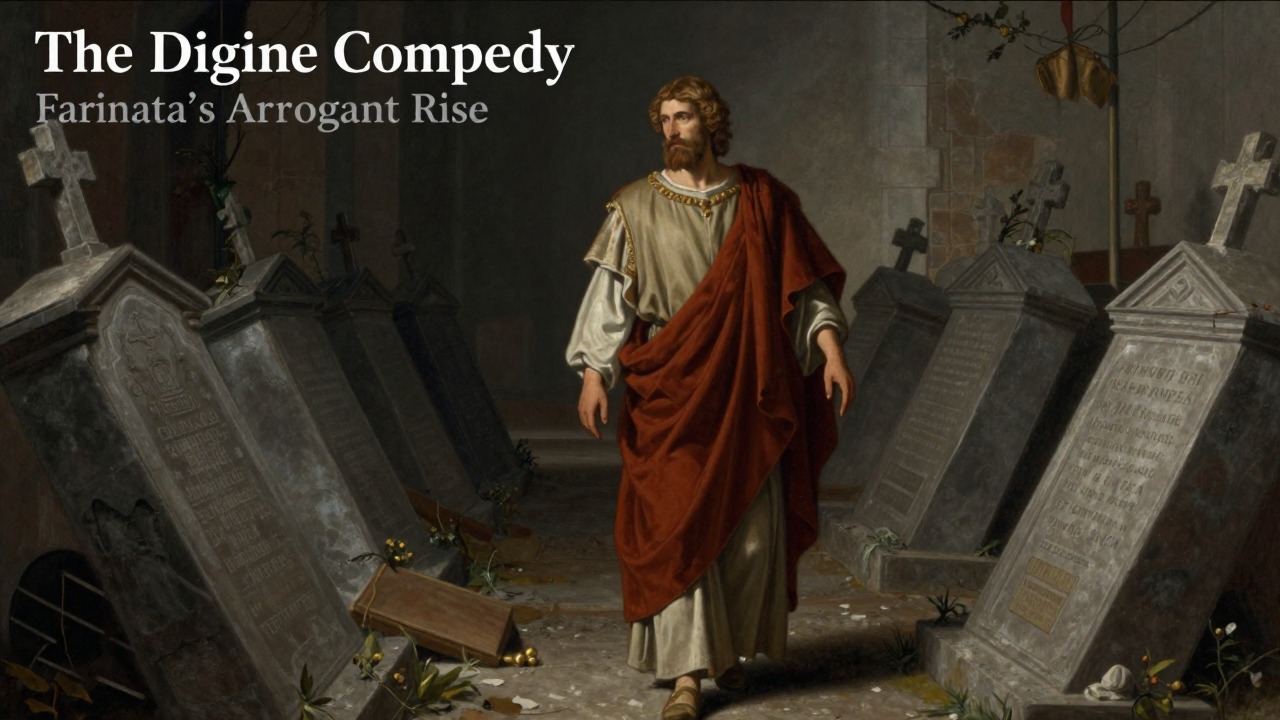
The Tomb of the Heretics
Farinata's Appearance
Dante and Virgil walk among the open tombs of the heretics. Farinata degli Uberti rises from a tomb, standing erect with disdain for Hell itself. He asks Dante about his ancestors.
The Political Rivalry
Farinata reveals that Dante's ancestors were his enemies, and he twice scattered the Guelphs. Dante retorts that the Guelphs returned, but the Ghibellines never mastered the art of return.
Cavalcante's Grief for His Son
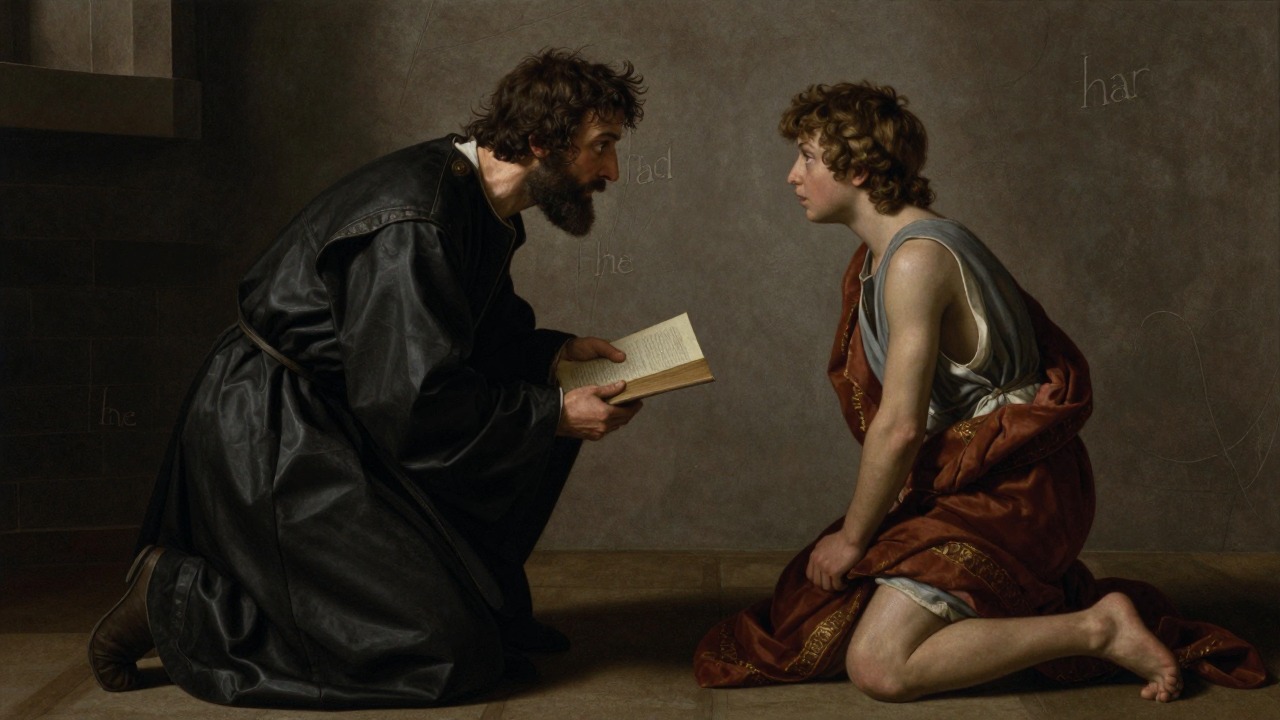
The Distraught Father
Cavalcante's Question
Cavalcante de' Cavalcanti rises on his knees, looking for his son Guido. He asks why Guido is not with Dante, implying that Guido's lack of faith (or his disdain for Virgil) prevented him.
The Misunderstanding
Dante says 'he had' (referring to Guido's past contempt for Virgil), but Cavalcante misunderstands and thinks Guido is dead. He falls back in despair, while Farinata continues his political discourse.
Farinata's Prophecy of Exile
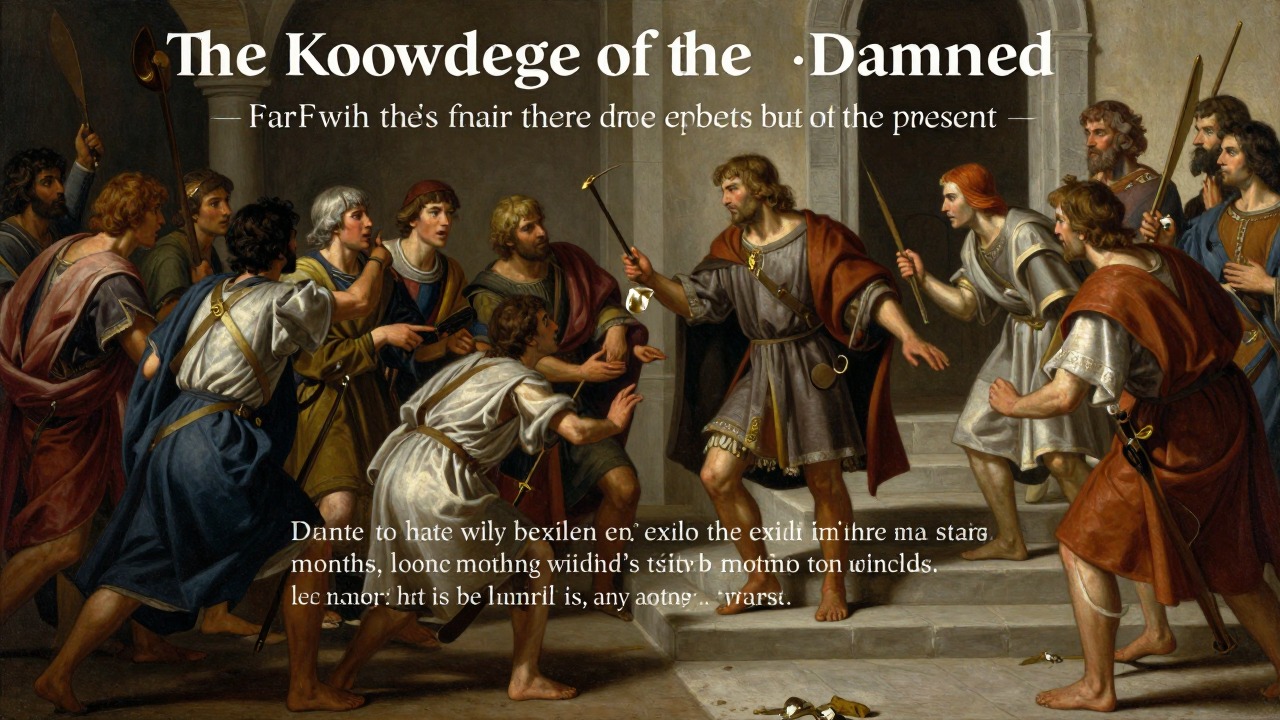
The Prophecy
The Knowledge of the Damned
Farinata explains that the damned can see future events but not the present. He prophesies that Dante will be exiled within fifty months, learning how hard it is to climb another's stairs.
The Battle of Montaperti
Dante asks why Florence is so harsh to Farinata's family. Farinata reminds him of the slaughter at the Arbia (Battle of Montaperti), but also that he alone defended Florence from destruction after the battle.
Dante's Compassion for Cavalcante
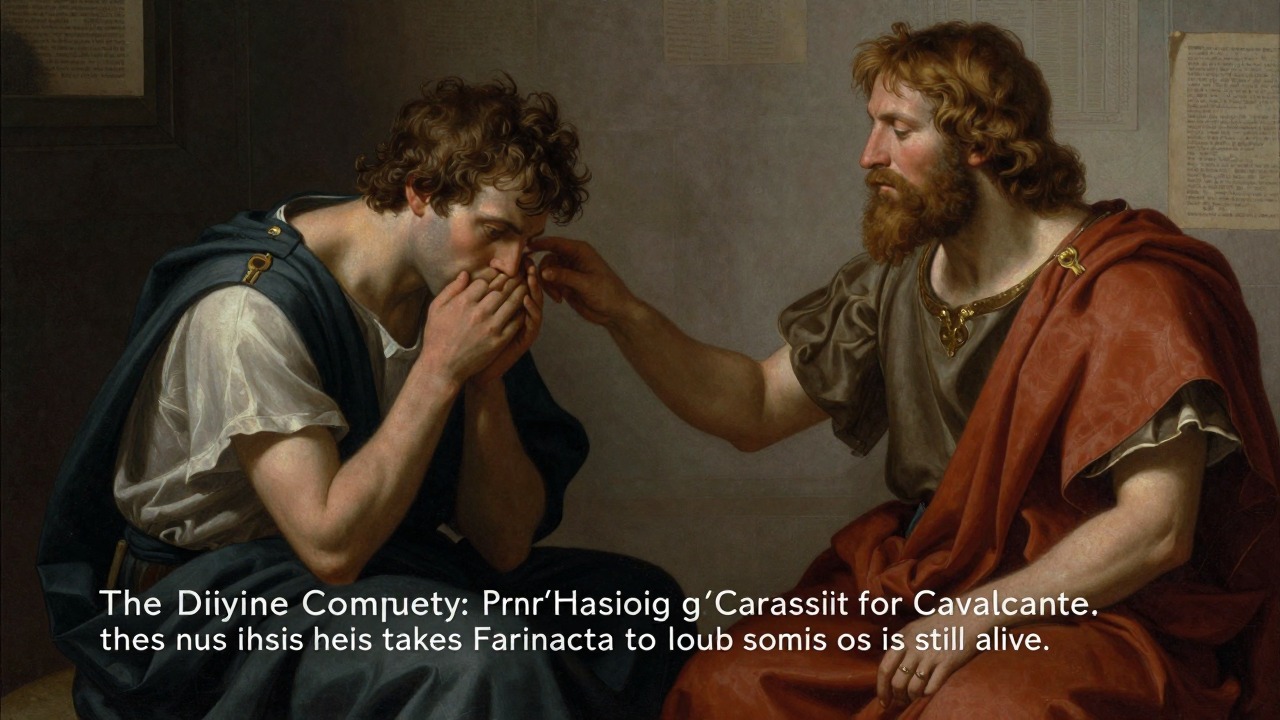
The Aftermath
Dante's Guilt
Dante feels remorse for causing Cavalcante's grief. He asks Farinata to tell Cavalcante that his son is still alive. This shows Dante's humanity and concern for others.
Virgil's Advice
Virgil tells Dante to remember Farinata's words and later learn the full story from Beatrice. This episode highlights the limits of the damned's knowledge and the importance of divine perspective.
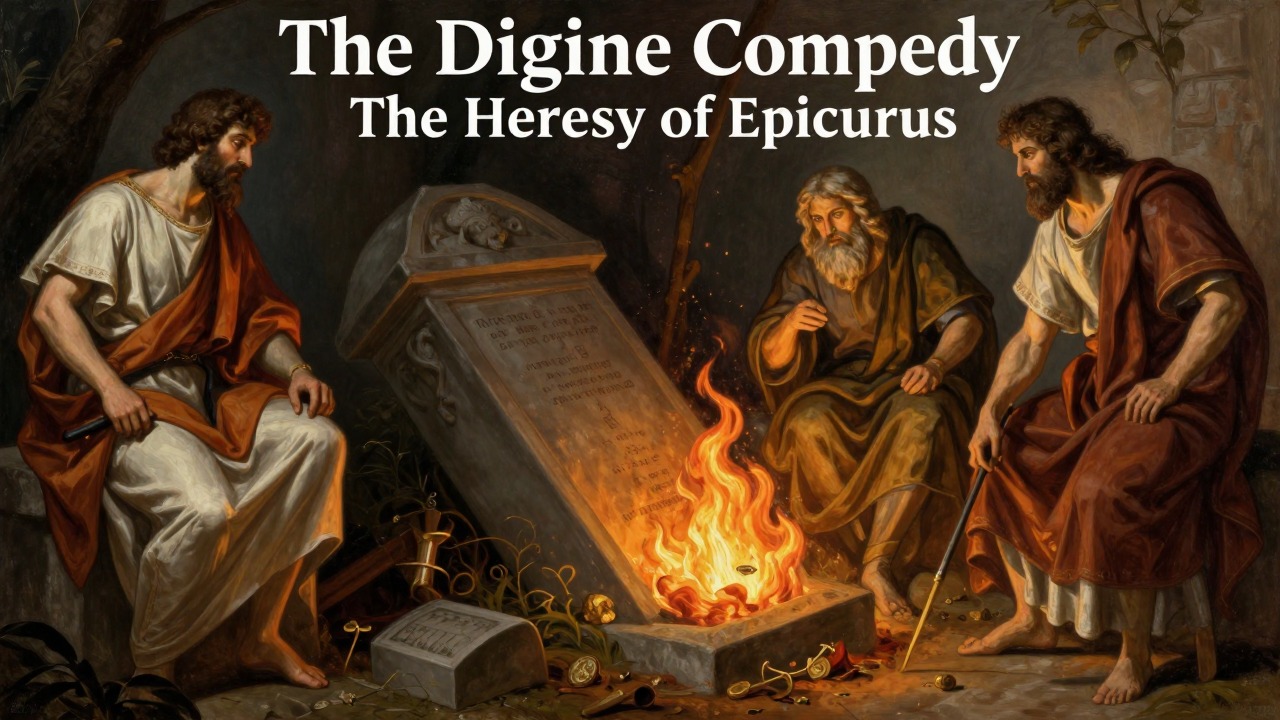
The Heresy of Epicurus
The Sin of Heresy
Epicureans
Virgil explains that the tombs contain Epicurus and his followers, who denied the immortality of the soul. This heresy is punished by being trapped in fiery tombs.
The Connection to Farinata and Cavalcante
Both Farinata and Cavalcante were Epicureans, believing the soul dies with the body. Their concern for earthly affairs (politics and family) reflects their materialistic worldview.
In the sixth circle of Hell, among the heretics
Immediately after Farinata's speech, in the same tomb
After Cavalcante's collapse, still in the sixth circle
After the prophecy, as they leave the sixth circle
In the sixth circle, context of the tombs
